


LED Driver
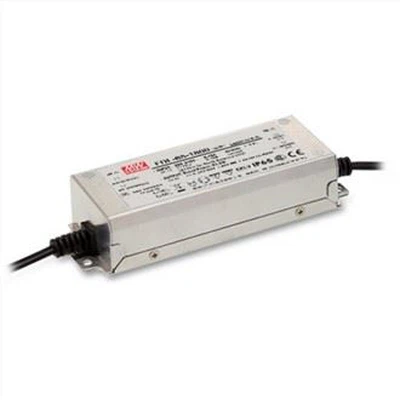
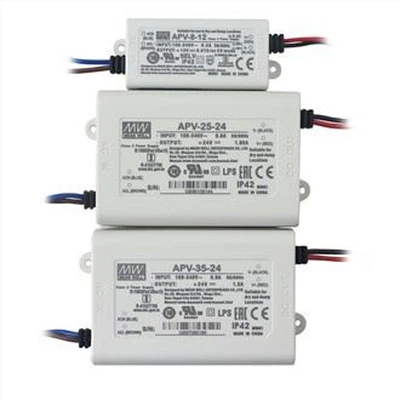
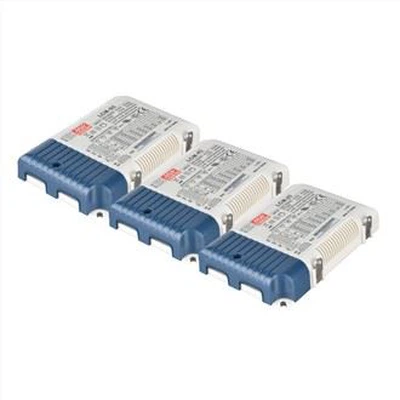
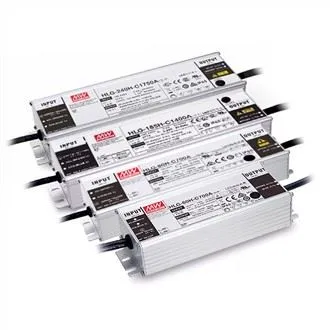
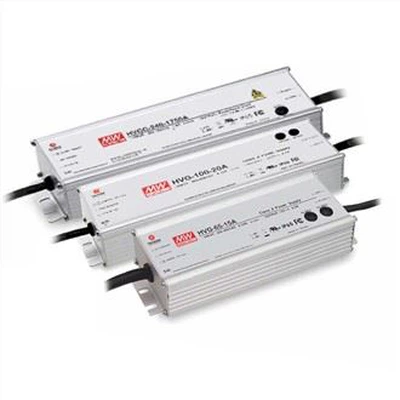
LED drivers are self-contained power supply devices that moderate the voltage and current from the electricity source to match the electrical characteristics of a particular LED. As electricity supplies usually operate on mains, an LED driver converts them from AC supply to DC supply ensuring that whatever electric current reaches the LED is usable and safe.
Benefits of LED Driver
Smaller size
LED drivers are smaller and lighter, making them easier to integrate into a variety of LED lighting fixtures. This is especially beneficial for space-constrained applications such as mobile or portable lighting.
Higher efficiency
LED drivers are more efficient, resulting in less energy loss or lower operating costs. This is because the isolation transformer is eliminated, which creates additional electrical losses and reduces efficiency.
Easy integration
Due to faster response to dimming control signals, LED drivers are easy to integrate with a wider range of control and dimming systems, making them a versatile choice for many LED lighting applications.
Protection and safety
LED drivers incorporate various protection features to safeguard the LEDs and the driver itself. These features can include over-voltage protection, over-current protection, short-circuit protection, and temperature monitoring. LED drivers ensure the safe and reliable operation of the LED lighting system.




Why Choose Us
Rich Experience
With more than 10 years of experience in power supply business, and considering that power supply is very important to our equipment,
High-quality products
We founded the "Jiangtek" brand to provide high-quality products at reasonable prices. We hope to be your reliable power supply partner in China.
Excellent Service
We not only get money from you, but also provide top-quality products at reasonable prices and enthusiastic services.
Values
One of our values is "Today's best performance is tomorrow's benchmark".
How Do LED Drivers Work?
The forward Voltage requirements of an LED will vary as its temperature changes. As it becomes hotter the amount of Voltage needed to pull current into the LED will drop and it will therefore draw in more power. Left unchecked, the temperature would continue to climb, and the LED would burn out - a process known as thermal runaway. LED drivers feature power output levels that match LED requirements. The steady current supplied by the driver prevents thermal runaway by responding to changes in the forward Voltage.
LED drivers typically run at 12V or 24. 5V systems are also found. A broad selection of LED driver Voltage ratings is available for both constant current and constant Voltage LED drivers. The maximum output of the LED systems should be less than the maximum Voltage for which the driver is rated. It is important to ensure that the LED driver you select is rated for compatibility with the power supply you will be connecting it to.

Can LED Drivers be Dimmed?

Most LED drivers are compatible with dimming when used with LED lamps. This feature can be particularly useful in creating different moods or atmospheres in a room. Imagine being able to turn down the lights for a cozy movie night, or brighten them up for a productive work session. However, not all LED are dimmable, so it's important to check this before purchasing a driver with dimming capabilities. Also, different drivers may use different dimming methods, such as pulse-width modulation or analog dimming.
Low power LED drivers
These LED drivers typically have power ratings ranging from a few watts up to around 20 watts. They are commonly used for small-scale LED lighting applications such as decorative lighting, signage, and accent lighting.
Medium power LED drivers
LED drivers in the medium power range can handle wattages between 20 watts and 100 watts. They are suitable for applications such as residential lighting, retail lighting, and office lighting, where moderate power output is required.
High power LED drivers
High power LED drivers are designed to handle wattages exceeding 100 watts, often ranging from 100 watts to several kilowatts. They are commonly used in commercial and industrial lighting applications, outdoor lighting, stadium lighting, and high-intensity LED fixtures that require a significant amount of power.
The average life expectancy of a high-quality LED driver is typically around 50,000 to 100,000 hours of continuous operation. This can translate to approximately 5 to 10 years of usage under normal conditions. However, it's important to note that this is an estimate, and the actual lifespan can be influenced by factors such as the ambient temperature, electrical load, voltage fluctuations, and overall product quality. Generally, LED drivers are designed to have a long lifespan to match the long operational life of LED lighting.

What is the Efficiency of LED Drivers?

Efficiency is influenced by various factors, including the driver's power conversion technology, power factor correction (PFC) circuitry, and thermal management. Efficiency ratings of LED drivers can range from around 70% to 95% or higher. It's generally recommended to choose LED drivers with higher efficiency ratings to maximize energy savings and minimize environmental impact. Higher efficiency drivers not only reduce energy costs but also generate less heat, which can extend the lifespan of the LED and improve overall system performance.
How Do I Choose An LED Driver?
Voltage and Current Ratings: Determine the voltage and current requirements of your LED lighting system. LED drivers are available in various voltage and current ratings, so choose one that matches the specifications of your LED.
Power Capacity: Calculate the power capacity needed for your lighting system by multiplying the total wattage of your LED by a safety factor (usually 1.2 to 1.5 times) to account for any potential variations or future expansions.
Dimming Capability: If you require dimmable LED lighting, ensure that the LED driver supports the dimming method you intend to use, such as 0-10V, PWM, or DALI. Not all LED drivers are dimmable, so check the specifications.
Protection Features: Consider LED drivers with built-in protection features such as overvoltage protection (OVP), overcurrent protection (OCP), short circuit protection (SCP), and thermal protection. These features help safeguard your LED and the driver from potential damage.
Environmental Conditions: Consider the operating environment of your lighting system, including temperature, humidity, and IP (Ingress Protection) rating requirements. Select LED drivers that can withstand the environmental conditions in which they will be used.
Compatibility: Ensure that the LED driver is compatible with the specific type of LED you are using, whether it's constant voltage or constant current LED.
Types of LED Driver
Constant current LED driver
This type of LED driver ensures a constant current output to the LEDs, regardless of variations in the input voltage. It is commonly used when precise control of the LED current is required to maintain consistent brightness and performance.
Constant voltage LED driver
Unlike constant current drivers, constant voltage drivers provide a stable output voltage while allowing the LED current to vary. They are often used when multiple LEDs are connected in parallel and require a consistent voltage supply.
Dimmable LED driver
Dimmable LED drivers allow users to adjust the brightness of the LED lights. They can be controlled using various methods such as 0-10V analog control, PWM (pulse-width modulation), or DALI (Digital Addressable Lighting Interface) protocols. Dimmable LED drivers provide flexibility in creating different lighting moods and energy-saving options.
AC LED driver
AC LED drivers are designed to directly convert AC (alternating current) voltage to the required DC (direct current) voltage for LEDs. They eliminate the need for an external AC-DC power supply or LED driver and are often used in retrofit applications where existing AC infrastructure is available.
How to install an LED driver


1. First, carefully read the relevant parameters of the LED driver, such as voltage, current, etc., to ensure that the parameters of the LED driver match the LED.
2. Consider the IP level of the LED driver to determine the external environment where the LED driver is located. If the LED driver is installed outdoors, it needs to have a certain waterproof performance. There are also LED drivers designed specifically for outdoor environments.
3. Identify the P (positive) and N (neutral) wires of the power and disconnect the grid.
4. Install the LED driver - fix the LED driver with suitable screws. The positive pole of the LED driver output terminal is connected to the positive pole of the input terminal of the LED light. The negative pole of the output terminal of the LED driver is connected to the negative pole of the input terminal of the LED light.
5. The positive pole of the input terminal of the LED driver is connected to the P pole of the power, and the negative pole of the input terminal is connected to the N pole of the power.
6. After the LED driver is installed, confirm again that all the wires are connected correctly and firmly, and the heat dissipation is in good condition. In the event of a failure, disconnect the power first and look carefully to see if there is a problem with the connection. If the LED driver is defective, the LED driver needs to be replaced.
General lighting
LED drivers are extensively used in residential, commercial, and industrial lighting applications. They provide the required power and control for LED bulbs, tubes, down lights, and panel lights used for general illumination.
Automotive lighting
LED drivers are widely employed in automotive lighting systems, including headlights, taillights, brake lights, turn signals, and interior lighting. They enable precise control of brightness, color, and dynamic lighting effects.
Display and signage
LED drivers are used in large-scale displays, outdoor billboards, digital signage, and scoreboards. They ensure uniform brightness across multiple LED modules and enable dynamic control for eye-catching visuals.
Street lighting
LED drivers are employed in streetlights to efficiently power and control high-power LEDs. They offer dimming capabilities, remote monitoring, and adaptive lighting features to optimize energy consumption and enhance safety.
Architectural lighting
LED drivers are used in architectural lighting applications, including accent lighting, façade lighting, and landscape lighting. They enable precise control over color, intensity, and effects, allowing for creative lighting designs.
Medical lighting
LED drivers are utilized in medical lighting applications, including surgical lights, examination lights, and patient room lighting. They offer precise control, adjustable color temperature, and flicker-free operation for enhanced visibility and patient comfort.
Stage and entertainment lighting
LED drivers are extensively used in stage lighting, concert lighting, theater lighting, and other entertainment applications. They provide versatile control options, including color mixing, strobing, and dynamic lighting effects.
How to Tell If LED Driver Is Bad
Watch for dimming or flickering light
The first signs of trouble for your LED driver are actually the easiest to spot - because you can see them visually from far away. If you notice the lighting levels gradually dimming or flickering, it's a sign that you have an issue with your LED driver. It's possible that the driver isn't supplying enough power to operate and maintain peak performance.
Check for overheating
It's also important to check for overheating as this is a telltale sign of a bad LED driver. If your power supply has been running for a while and is now abnormally warm, that could indicate an issue. In some cases, you may even be able to smell the wiring and components burning.
Look for loose connections
The last thing to check is the connections throughout your system. If anything appears to be loose or disconnected, this can cause disruptions in power distribution - thus resulting in flickering lights or dimming levels. As such, it's critical to inspect all of your system's wires and plugs whenever troubleshooting a potential driver issue.
Test voltage & current levels
The final step is to actually measure the voltage and current levels of the driver in question. We saved this one for last because it is the most effective way of troubleshooting your system. Many of the issues above - overheating, lights flickering, etc. Can actually be the result of a problem elsewhere in your lighting system. Actually testing the voltage and current levels of your driver directly will give you more information than any other steps.
FAQ
We're professional led driver suppliers in China, specialized in providing high quality products and service. If you're going to wholesale high-grade led driver in stock, welcome to get pricelist and quotation from our factory.
unidirectional dc dc converter, rf converter module, 12v to 13 8 v dc dc converter